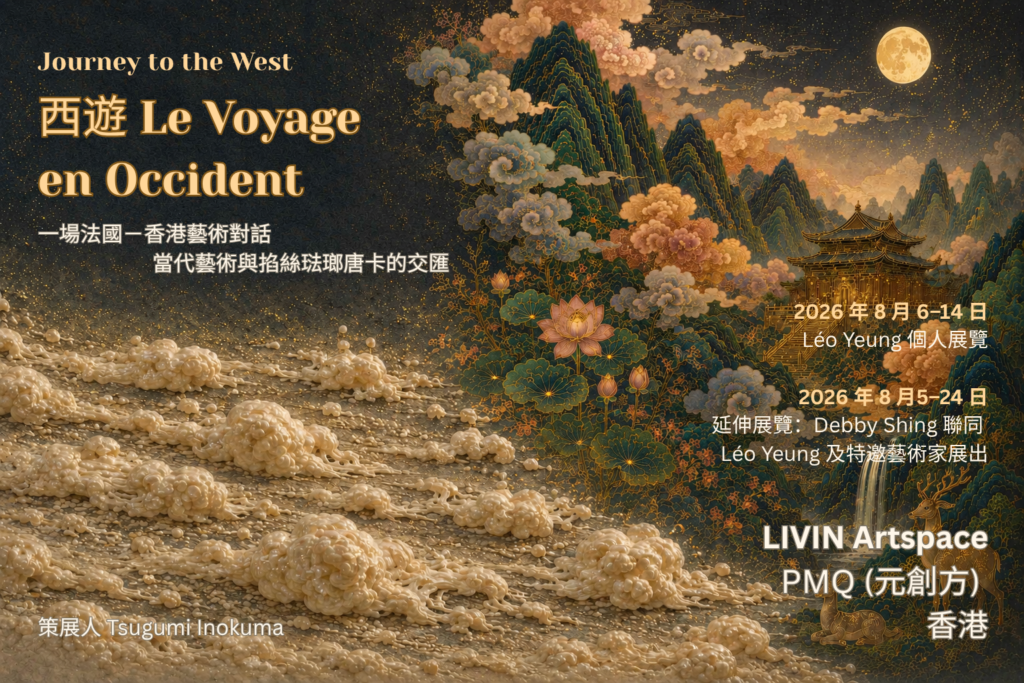
西遊 Le Voyage en Occident

一場法國-香港藝術對話:當代藝術與掐絲琺瑯唐卡的交匯


2026年8月6日至14日
Léo Yeung 個人展覽

2026年8月15日至24日
延伸展覽:Debby Shing 、Léo Yeung及特邀藝術家聯展


展覽開放時間
12:00–19:00

展覽地點
LIVIN Artspace
PMQ(元創方)B座,H303
香港中環鴨巴甸街35號


開幕酒會(Vernissage)
2026年8月7日(星期五)

17:00–18:00 預展
18:00–21:00 開幕酒會


策展論述(Curatorial Statement)

《西遊》以旅行、轉化與尋找生命意義這一普世的人之經驗為核心,從佛教經典《西遊》汲取靈感,將「西行」重新詮釋為一段既是地理上的遷徙,也是心靈與精神層面的探索之旅。

展覽分為兩個篇章。首章為 Léo Yeung 的個人展覽;第二章則延伸為期兩星期的交流展覽,邀請掐絲琺瑯、唐卡藝術家共同參與。兩個展覽相互呼應,於當代藝術實踐與延續數百年的神聖工藝傳統之間,展開一場跨越時代的對話。

從亞洲東方出發,法國與西藏皆位於西方。Léo 的藝術旅程向西延伸至法國,尋找新的生命可能;而這個藝術空間亦同樣朝向西方,走向西藏,從其深厚的藝術傳統與佛教哲學中汲取養分。兩段看似不同的西行——一段屬於當代,一段源自傳統——最終交會於對人類精神世界的共同探索。

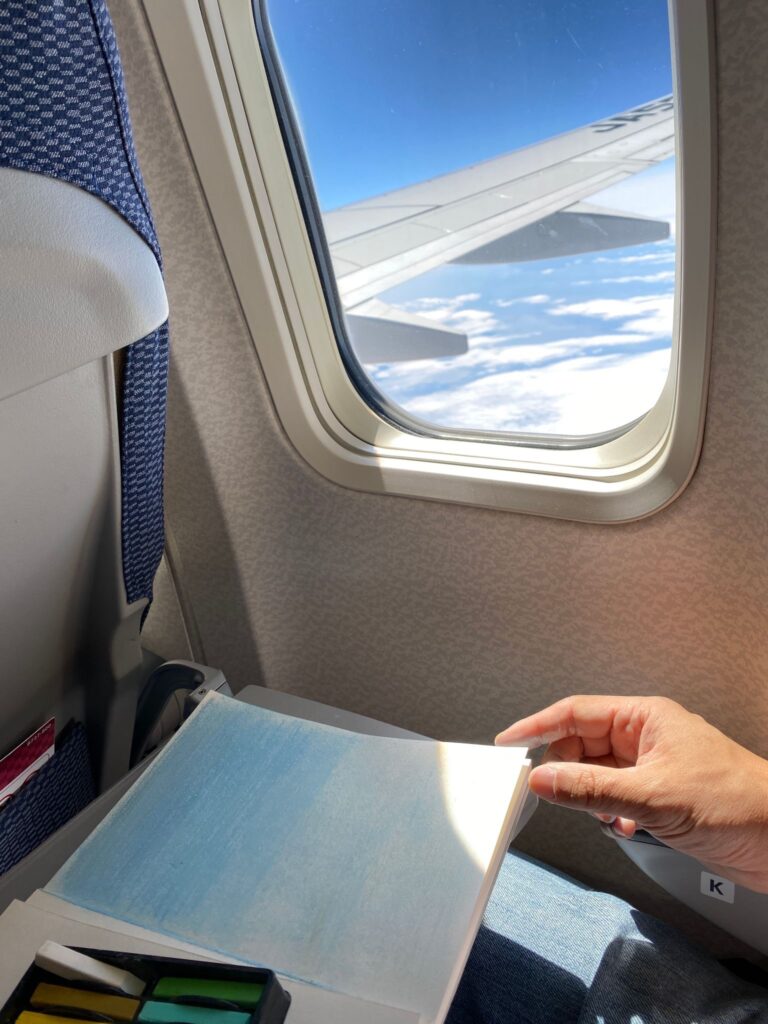
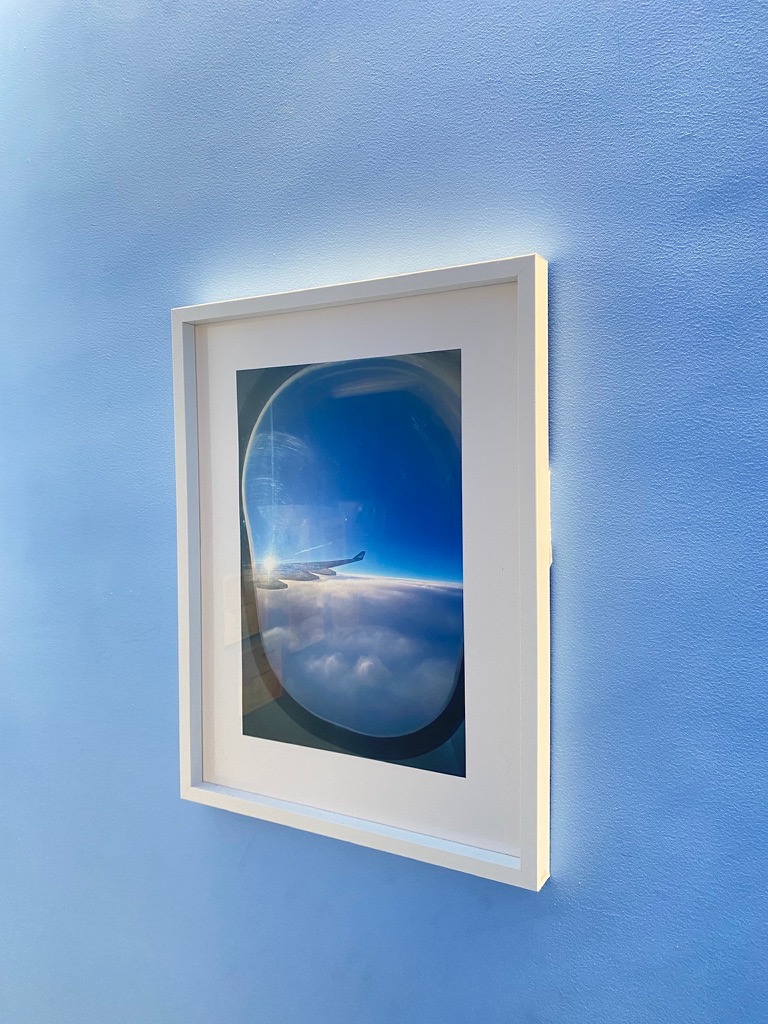
Léo 的繪畫靈感源自飛機航程中俯瞰的雲層景象。在啟程與抵達之間,漂浮的雲海成為遷徙、不確定性、希望與蛻變的隱喻;同時,它們亦呼應佛教唐卡中神聖祥雲的意象,在當代抽象藝術與傳統宗教圖像之間建立起一種視覺上的聯繫。

本計劃於 Léo 在 PMQ LIVIN Artspace 的藝術家駐留期間逐步發展,並進一步透過景泰藍琺瑯色料及西藏天然礦物顏料的實驗,融入其當代繪畫創作之中。這些歷史悠久的材料,不僅為作品帶來新的肌理與色彩層次,更承載著文化記憶與精神象徵,拓展了其藝術語言的可能性。

交流展覽並非將傳統與創新置於對立,而是呈現兩者之間深層的共通性。掐絲琺瑯唐卡凝聚了數百年累積的工藝智慧、耐心與精神修持;Léo 對材料的實驗及其當代藝術語言,則體現了對藝術可能性的持續探索。儘管兩者在時代背景與創作方法上截然不同,卻同樣指向沉思、轉化,以及對智慧的不斷追尋。

《西遊》最終呈現的是一場跨越文化、世代與藝術傳統的交流。它邀請觀眾重新思考:無論旅程的終點是法國、西藏,還是內心深處,每一次西行,終究都是一場追尋更深層理解與共同人性精神的旅程。

策展人:Tsugumi Inokuma


網址

leoyeung.com

tsultrimnorbu.com

Facebook

www.facebook.com/livinxarts

Instagram

@livinxarts @leoyeung.fr @debbyshing @tsultrimnorbu.thangka

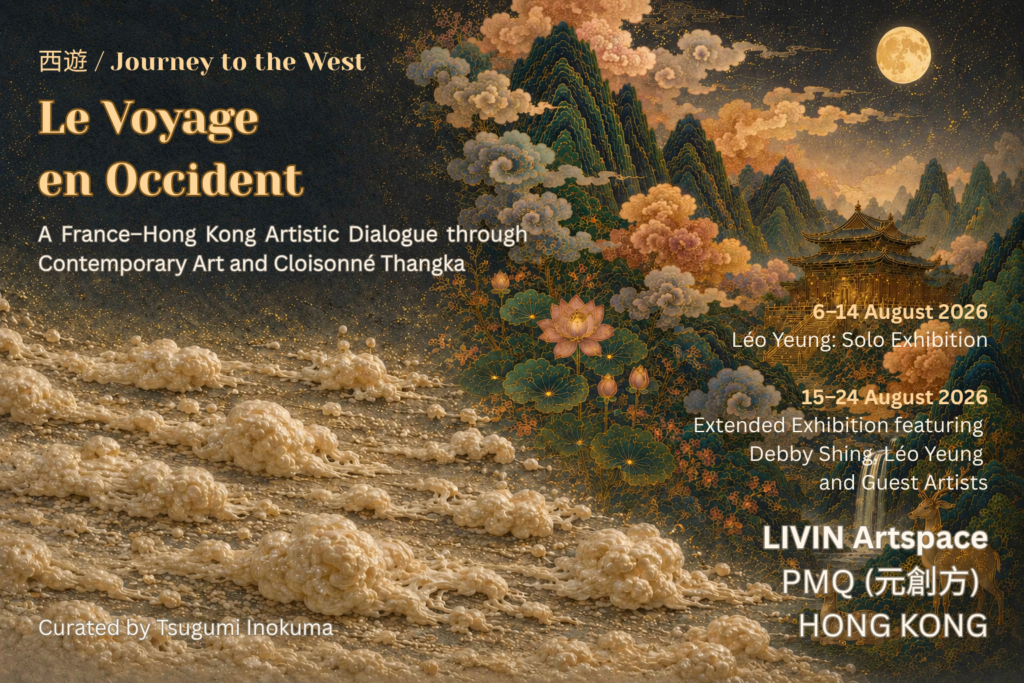
Le Voyage en Occident

Journey to the West / 西遊

A France–Hong Kong Artistic Dialogue through Contemporary Art and Cloisonné Thangka


6–14 August 2026
Léo Yeung: Solo Exhibition

15–24 August 2026
Extended Exhibition Featuring Debby Shing and Guest Artists


Hours
12:00–19:00

Venue
LIVIN Artspace
PMQ (元創方) H303, Block B
35 Aberdeen Street, Central, Hong Kong


Vernissage

Friday, 7 August 2026

17:00–18:00 Preview

18:00–21:00 Opening Reception


Curatorial Statement

Journey to the West explores the universal human experience of travel, transformation, and the pursuit of meaning. Inspired by the Buddhist classic of the same name, the exhibition reimagines the “journey” as not only a physical voyage but also a psychological and spiritual one.

Presented in two chapters, the project begins with a solo exhibition by Léo Yeung, followed by a two-week collaborative exhibition with master practitioners of Cloisonné Thangka (掐絲琺瑯唐卡). Together, the two exhibitions create a dialogue between contemporary artistic practice and a centuries-old sacred tradition.

From the eastern edge of Asia, both France and Tibet lie to the west. While Leo’s artistic journey has led him westward to France in pursuit of new life possibilities, this artspace also turns westward towards Tibet, drawing inspiration from its rich artistic heritage and Buddhist philosophy. These two parallel journeys—one contemporary, one traditional—meet within a shared exploration of the human spirit.

Leo’s paintings are inspired by cloud formations seen through airplane windows. Suspended between departure and arrival, the clouds become metaphors for migration, uncertainty, hope, and transformation. They also echo the sacred clouds in Buddhist Thangka paintings, creating a visual connection between contemporary abstraction and traditional iconography.

Developed during Leo’s artist residency at LIVIN Artspace in PMQ, the project extends this dialogue through experimentation with enamel colours and Tibetan natural mineral pigments in his contemporary paintings. The introduction of these historic materials adds new layers of texture, symbolism, and cultural memory to his practice.

Rather than contrasting tradition with innovation, the collaborative exhibition reveals their common ground. The Cloisonné Thangka embodies centuries of accumulated craftsmanship, patience, and spiritual discipline, while Leo’s experimental materials and contemporary language reflect an ongoing search for new artistic possibilities. Though separated by time and technique, both practices share a commitment to contemplation, transformation, and the pursuit of wisdom.

Ultimately, Journey to the West is an artistic dialogue across cultures, generations, and artistic traditions. It invites viewers to discover that every journey—whether towards France, Tibet, or within oneself—is ultimately a search for deeper understanding and a shared human spirit.

Curated by Tsugumi Inokuma

Website

leoyeung.com

tsultrimnorbu.com

Facebook

www.facebook.com/livinxarts

Instagram

@livinxarts @leoyeung.fr @debbyshing @tsultrimnorbu.thangka

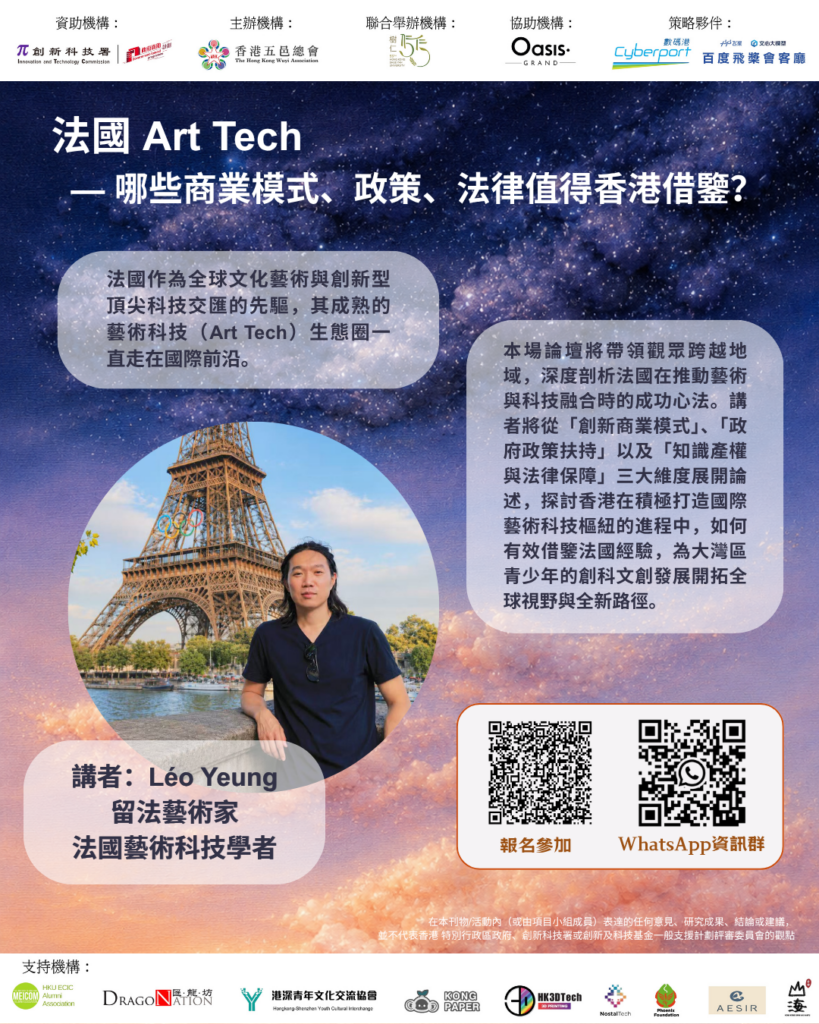
香港樹仁大學 Art Tech 演講

— 哪些商業模式、政策、法律值得香港借鑒?

法國作為全球文化藝術與創新型頂尖科技交匯的先驅,其成熟的藝術科技(Art Tech)生態圈一直走在國際前沿。

本場論壇將帶領觀眾跨越地域,深度剖析法國在推動藝術與科技融合時的成功心法。講者將從「創新商業模式」、「政府政策扶持」以及「知識產權與法律保障」三大維度展開論述,探討香港在積極打造國際藝術科技樞紐的進程中,如何有效借鑒法國經驗,為大灣區青少年的創科文創發展開拓全球視野與全新路徑。

日期:2026年8月14日(五)

時間:15:00 – 16:00

對象:對Art Tech感興趣人士

語言:粵語

費用:全免

地點:香港樹仁大學顧鐵華費肇芬伉儷廣場

講者:Léo Yeung

留法藝術家

法國藝術科技學者

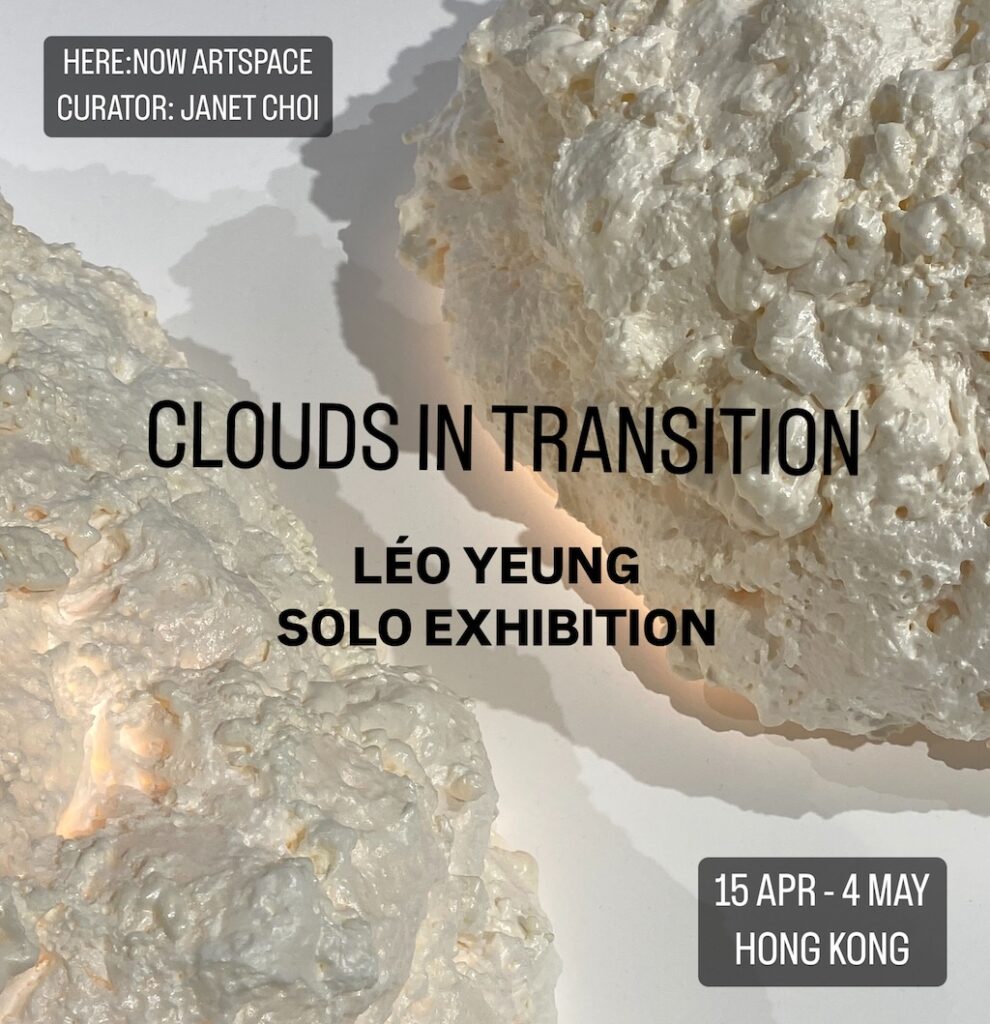
Clouds in Transition

“Clouds in Transition”, an exhibition by Léo Yeung, explores the themes of impermanence, society, and the emotional weight of pursuing dreams across distances. Inspired by the transient nature of clouds, Yeung reflects on his own experiences of migration, asking the poignant question: Why do we feel the need to fly across the sky to chase our dreams? His work draws on the metaphor of gazing out from an airplane window, where the turbulent, noisy interior contrasts with the serene, peaceful clouds outside—a duality that mirrors the human experience of navigating internal struggles while seeking external aspirations.

At the heart of Yeung’s practice is his transformation of spray foam, a construction material used to fill gaps and isolate walls, into organic, cloud-like sculptures. This material, typically hidden within structures, becomes a poetic vessel for exploring the tension between permanence and impermanence, stability and movement. The foam’s ability to expand and take shape parallels the human desire to bridge voids—whether physical, emotional, or cultural—while its final forms evoke the fleeting beauty of memories and transitions.

Through “Clouds in Transition”, Yeung invites viewers to reflect on their own journeys, transitions, and dreams. His sculptures, with their interplay of light, texture, and shadow, create a sense of wonder and introspection, much like watching clouds drift across the sky. By transforming the mundane into the sublime, Yeung celebrates the beauty of the in-between—the spaces where turbulence and serenity coexist—and reminds us that, while we chase dreams across vast skies, it is the journey itself that shapes who we are.

The introduction of the solo exhibition in Hong Kong

15 April – 4 May 2025,
Here:Now Art Space, B6, 6/F, Landmark South, 39 Yip Kan Street, Wong Chuk Hang, Hong Kong


Nuages ​​en Transition

L’exposition « Nuages ​​en Transition » de Léo Yeung explore les thèmes de l’impermanence, de la société et du poids émotionnel de la poursuite de rêves à distance. Inspiré par la nature éphémère des nuages, Yeung revient sur ses propres expériences migratoires et pose une question poignante : pourquoi ressentons-nous le besoin de voler à travers le ciel pour poursuivre nos rêves ? ​​Son œuvre s’inspire de la métaphore du regard ambiant depuis le hublot d’un avion, où l’intérieur turbulent et bruyant contraste avec les nuages ​​sereins et paisibles à l’extérieur – une dualité qui reflète l’expérience humaine, celle de la gestion des luttes intérieures tout en poursuivant des aspirations extérieures.

Au cœur de la pratique de Yeung se trouve la transformation de la mousse pulvérisée, un matériau de construction utilisé pour combler les vides et isoler les murs, en sculptures organiques, semblables à des nuages. Ce matériau, généralement dissimulé dans des structures, devient un vecteur poétique pour explorer la tension entre permanence et impermanence, stabilité et mouvement. La capacité de la mousse à se dilater et à prendre forme reflète le désir humain de combler les vides – qu’ils soient physiques, émotionnels ou culturels – tandis que ses formes finales évoquent la beauté fugace des souvenirs et des transitions.

Avec « Clouds in Transition », Yeung invite le spectateur à réfléchir à ses propres parcours, transitions et rêves. Ses sculptures, avec leurs jeux de lumière, de texture et d’ombre, suscitent un sentiment d’émerveillement et d’introspection, un peu comme l’observation des nuages ​​qui dérivent dans le ciel. En transformant le banal en sublime, Yeung célèbre la beauté de l’entre-deux – ces espaces où turbulence et sérénité cohabitent – ​​et nous rappelle que, si nous poursuivons nos rêves à travers les vastes cieux, c’est le voyage lui-même qui nous façonne.

Sea of Cloud

A Meditation on Time, Space, and Emotion

Léo Yeung’s Cloud series draws from a tapestry of emotions the artist experienced during air travel—pursuing dreams through immigration, the nostalgia of visiting home, the bonds of a long-distance relationship, even the sorrow of attending a funeral. These feelings blend within the vast ocean of clouds, forming a complex, universally resonant map of human emotion. Each passenger’s journey has a unique purpose—be it travel, business, study, or migration—and these diverse experiences briefly converge in the air, evoking profound reflections on transience, identity, and the modern way of life.

Viewed from above, the clouds shift under the direct light of the sun, at times still and at times in motion, becoming a visual symbol of passage across different countries and times. This imagery brings forth an inherent paradox: at high altitudes, people seem free and unbound, yet confined within the narrow space of the cabin—a delicate contrast between modern mobility and constraint.

As a symbol of contemporary transportation, the airplane reveals the duality of globalization: its convenience and its inequalities. Yeung’s series explores the divide between developed and developing nations, restrictions on immigration in affluent countries, and disparities in standards of living. Against the boundless backdrop of the clouds, the artist reflects on the limitations of globalization, unveiling the barriers geography, borders, and social strata create among humans.

The Cloud series spans sculpture, photography, and painting, with the artist having rigorously experimented with materials and techniques to innovatively capture the texture and form of clouds, transforming their soft and ethereal qualities into a tangible artistic language. Through this series, Yeung offers viewers a window into the purity of clouds’ beauty, inviting them to contemplate deeper questions of society and human emotion.

The introduction of the solo exhibition in the Touch Art Party

5-11 November 2024

Maters Paris, 64 Rue du Temple, Paris, France


Mer de Nuages

Une Méditation sur le Temps, l’Espace et l’Émotion

La série Nuages ​​de Léo Yeung s’inspire d’une mosaïque d’émotions vécues par l’artiste lors de voyages en avion : la poursuite de ses rêves à travers l’immigration, la nostalgie des retours au pays, les liens d’une relation à distance, et même la tristesse d’assister à des funérailles. Ces sentiments se fondent dans le vaste océan de nuages, formant une carte complexe et universelle des émotions humaines. Le voyage de chaque passager a un but unique – voyage, affaires, études ou migration – et ces expériences diverses convergent brièvement dans l’air, évoquant de profondes réflexions sur la fugacité, l’identité et le mode de vie moderne.

Vus d’en haut, les nuages ​​se déplacent sous la lumière directe du soleil, tantôt immobiles, tantôt en mouvement, devenant un symbole visuel de passage à travers différents pays et époques. Cette imagerie fait émerger un paradoxe inhérent : à haute altitude, les gens semblent libres et libres, tout en étant confinés dans l’espace exigu de la cabine – un contraste délicat entre mobilité et contrainte modernes.

Symbole du transport contemporain, l’avion révèle la dualité de la mondialisation : sa commodité et ses inégalités. La série de Yeung explore le fossé entre pays développés et pays en développement, les restrictions à l’immigration dans les pays riches et les disparités de niveau de vie. Avec les nuages ​​comme toile de fond, l’artiste s’interroge sur les limites de la mondialisation, dévoilant les barrières que la géographie, les frontières et les couches sociales créent entre les humains.

La série « Nuages » mêle sculpture, photographie et peinture. L’artiste a rigoureusement expérimenté matériaux et techniques pour capturer de manière innovante la texture et la forme des nuages, transformant leur douceur et leur éthéricité en un langage artistique tangible. À travers cette série, Yeung offre au spectateur une fenêtre sur la pureté de la beauté des nuages, l’invitant à réfléchir à des questions plus profondes sur la société et les émotions humaines.

Yeung’s unique artistic language

Exploration and research the limits of polyurethane spray expansion glue (foam glue) materials

When working on this project, Yeung tried to find different painting methods and materials to express and visualize the clouds, but he still couldn’t find a material that could express Yeung’s feelings. In the same time, with the advancement of artificial intelligence (AI), enabling computers to generate high-quality two-dimensional images, Léo reflected on what kinds of artwork that AI couldn’t yet create. For these reasons, he realized that three-dimensional painting artworks couldn’t yet be generated by AI, and thus began exploring three-dimensional painting. However, while creating the three-dimensional works for this project, he discovered that existing modeling pastes and impasto paints were too heavy and prone to cracking. Therefore, Léo sought a lighter material with a different texture.

At the same time, Yeung is very interested in architecture and interior design. When he was renovating his old house in France, he repeatedly used spray foam to fill the gaps and also used it as a thermal insulation layer to separate the outdoors from the indoors. This material is often used as a filler and eventually is covered up by decoration, hidden from the public eye and slowly forgotten.

This neglected material attracted Yeung’s attention. Its shape, texture, weight and characteristics echoed with this project. Léo then set out to explore the plasticity of expanding foam, attempting to control this uncontrolled material. Before being fixed, the spray foam is in a semi-fluid state without support and gradually becomes flat downwards. Controlling this uncontrollable material is like planning of life. There are always changes, and no matter how well the preparation is, there will still be some unpredictable things, but the details are full of surprises.

After the foam is dry, it is a stable material which is suitable for long-term preservation and collection. Its lightness, light transmittance and three-dimensionality bring some limitations to artistic creation that are different from those of traditional materials.

He experimented with using a paint knife to lightly sweep the surface of the swelling glue to create texture, and then controlled the spray foam to expand upward to create cloud-shaped sculptures. In the installations, he uses controlled light to color the sculpture. Expanding foam allows some light to pass through, just like the penetration of clouds. He is committed to combining technology, using it to control the gradual change of light, giving sculptures and installations more layers, creating artistic expression spaces with different feelings, and presenting works with great visual and conceptual depth to the audience.

Spraying foam is used much like spray paint, but after being sprayed, it slowly expands, depending on the thickness, before settling and drying in about 24 hours. Hence, it’s also called expanding foam. Controlling this uncontrolled material, with its irregular expansion, creates organic forms. The wet foam is extremely sticky, imbued with a natural, random beauty and struggle. Leo uses a paint knife to gently sweep the foam surface, removing unnatural streaks or overly smooth surfaces and creating fine textures. However, applying too much force or repeatedly sweeping the foam can cause it to collapse excessively, hardening it.

Through constant experimentation and practice, Leo has developed a meticulous technique, controlling the pressure of the nozzle and the speed of his wrist movements to produce extremely fine lines of expanding foam, pushing the limits of its finesse. He then estimates the degree of expansion, maintaining control over detail while also incorporating a touch of randomness. Leo is the first person to master this technique to create calligraphy-quality and highly worthy three-dimensional paintings made of expanding foam.

Spraying foam has gradually become the artist’s unique artistic language.

At his solo exhibition in Paris in 2024, Léo exhibited sculptures and installations made of spray foam.

During the 2025 artist residency program and solo exhibition in Hong Kong, Léo continued to experiment with the techniques of using spray foam materials in painting, gradually blurring the boundaries between sculpture, installation and painting, and creating a 3D painting and spray foam asian calligraphy.

At his exhibition at KoMo Galerie in September 2025, Léo showed a new series of abstract 3D paintings, incorporating foam art installations into the paintings.

Le langage artistique unique de Yeung

Exploration et recherche des limites des matériaux utilisés pour la colle polyuréthane expansée en spray (colle mousse)

Lors de ce projet, Yeung a cherché différentes méthodes et matériaux de peinture pour exprimer et visualiser les nuages, mais il n’a toujours pas trouvé de matériau capable d’exprimer ses émotions. Parallèlement, avec les progrès de l’intelligence artificielle (IA), permettant aux ordinateurs de générer des images bidimensionnelles de haute qualité, Léo s’est interrogé sur les types d’œuvres d’art que l’IA ne pouvait pas encore créer. Il a donc réalisé que l’IA ne pouvait pas encore générer d’œuvres d’art tridimensionnelles et a donc commencé à explorer la peinture tridimensionnelle. Cependant, lors de la création des œuvres tridimensionnelles pour ce projet, il a constaté que les pâtes à modeler et les peintures d’empâtement existantes étaient trop lourdes et sujettes aux craquelures. Léo a donc recherché un matériau plus léger et à la texture différente.

Par ailleurs, Yeung s’intéresse beaucoup à l’architecture et à la décoration intérieure. Lors de la rénovation de sa vieille maison en France, il a utilisé à plusieurs reprises de la mousse expansée pour combler les vides et l’utiliser également comme couche d’isolation thermique pour séparer l’intérieur de l’extérieur. Ce matériau, souvent utilisé comme matériau de remplissage, finit par être recouvert par des éléments décoratifs, dissimulé aux regards et peu à peu oublié.

Ce matériau négligé a attiré l’attention de Yeung. Sa forme, sa texture, son poids et ses caractéristiques ont fait écho à ce projet. Léo a alors entrepris d’explorer la plasticité de la mousse expansive, tentant de contrôler ce matériau incontrôlable. Avant d’être fixée, la mousse expansée est à l’état semi-fluide, sans support, et s’aplatit progressivement vers le bas. Contrôler ce matériau incontrôlable, c’est comme planifier sa vie. Il y a toujours des changements, et quelle que soit la qualité de la préparation, des imprévus subsistent, mais les détails réservent de nombreuses surprises.

Une fois sèche, la mousse est un matériau stable, propice à la conservation et à la collection à long terme. Sa légèreté, sa transmission lumineuse et sa tridimensionnalité imposent des limites à la création artistique, différentes de celles des matériaux traditionnels.

Il a expérimenté l’utilisation d’un couteau à peindre pour balayer légèrement la surface de la colle gonflante afin de créer de la texture, puis a contrôlé l’expansion de la mousse pulvérisée vers le haut pour créer des sculptures en forme de nuages. Dans ses installations, il utilise une lumière contrôlée pour colorer la sculpture. L’expansion de la mousse laisse passer une partie de la lumière, tout comme la pénétration des nuages. Il s’attache à combiner les technologies, les utilisant pour contrôler le changement progressif de la lumière, donnant aux sculptures et installations davantage de couches, créant des espaces d’expression artistique aux émotions variées et présentant des œuvres d’une grande profondeur visuelle et conceptuelle au public.

La mousse pulvérisée s’utilise comme de la peinture en bombe, mais après avoir été projetée, elle se dilate lentement, selon son épaisseur, avant de se fixer et de sécher en environ 24 heures. D’où son nom de mousse expansive. Le contrôle de cette matière incontrôlée, avec son expansion irrégulière, crée des formes organiques. La mousse humide est extrêmement collante, imprégnée d’une beauté et d’une complexité naturelles et aléatoires. Leo utilise un couteau à peindre pour balayer délicatement la surface de la mousse, éliminant les traces artificielles ou les surfaces trop lisses et créant des textures fines. Cependant, appliquer une force excessive ou balayer la mousse à plusieurs reprises peut provoquer son affaissement excessif et son durcissement.

Grâce à une expérimentation et une pratique constantes, Léo a développé une technique méticuleuse, maîtrisant la pression de la buse et la vitesse de ses mouvements du poignet pour produire des lignes extrêmement fines de mousse expansive, repoussant ainsi les limites de sa finesse. Il estime ensuite le degré d’expansion, maîtrisant les détails tout en y incorporant une touche d’aléatoire. Léo est le premier à maîtriser cette technique pour créer des peintures tridimensionnelles en mousse expansive, d’une qualité calligraphique et d’une grande valeur.

La projection de mousse est progressivement devenue le langage artistique unique de l’artiste.

Lors de son exposition personnelle à Paris en 2024, Léo a présenté des sculptures et des installations en mousse expansive.

Lors de sa résidence d’artiste et de son exposition personnelle à Hong Kong en 2025, Léo a continué d’expérimenter les techniques d’utilisation de la mousse expansive en peinture, brouillant progressivement les frontières entre sculpture, installation et peinture, et créant une peinture 3D et une calligraphie asiatique en mousse expansive. Lors de son exposition à la Galerie KoMo en septembre 2025, Léo a présenté une nouvelle série de peintures abstraites en 3D, incorporant des installations d’art en mousse dans les peintures.
Introduction

Traveling by airplane has gradually become a collective experience for contemporary people, and the beautiful scenery outside the cabin window has become a fresh creative subject. Born in Hong Kong and moved to Paris, Léo relies on airplanes to connect the two places. The more than ten-hour flight shuttles between the past and the present, ideals and reality, and is also filled with rich emotions. He hopes to evoke some memories and resonance among the audience

Introduction

Voyager en avion est progressivement devenu une expérience collective pour les contemporains, et le magnifique paysage depuis le hublot de la cabine est devenu un nouveau sujet de création. Né à Hong Kong et installé à Paris, Léo utilise l’avion pour relier les deux villes. Ce vol de plus de dix heures, entre passé et présent, idéaux et réalité, est également riche en émotions. Il espère évoquer des souvenirs et une résonance auprès du public.